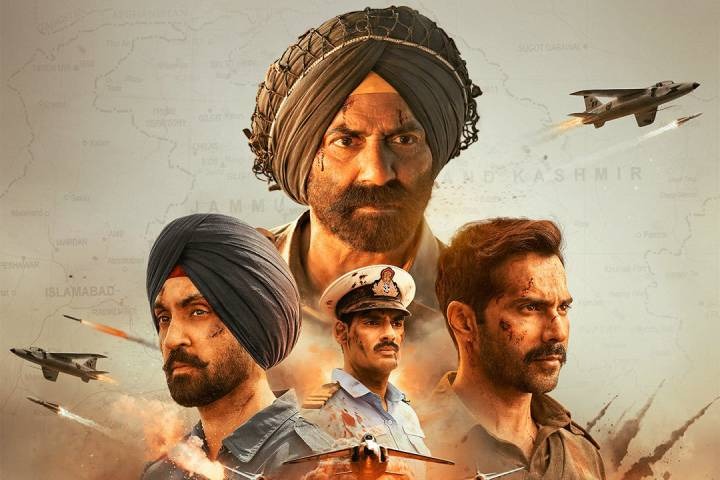
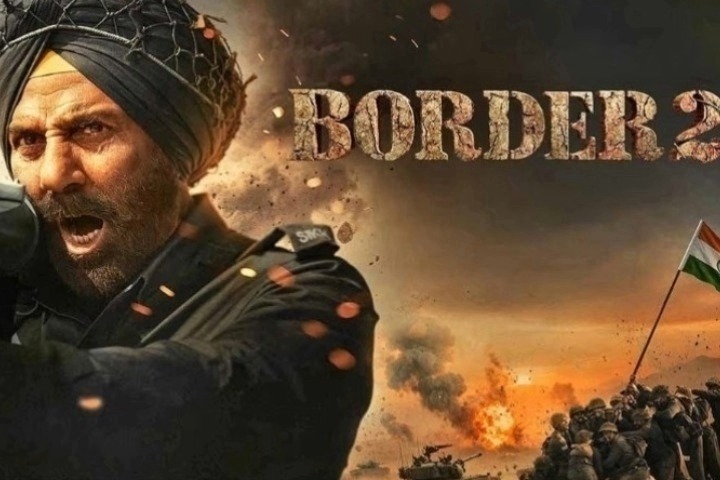
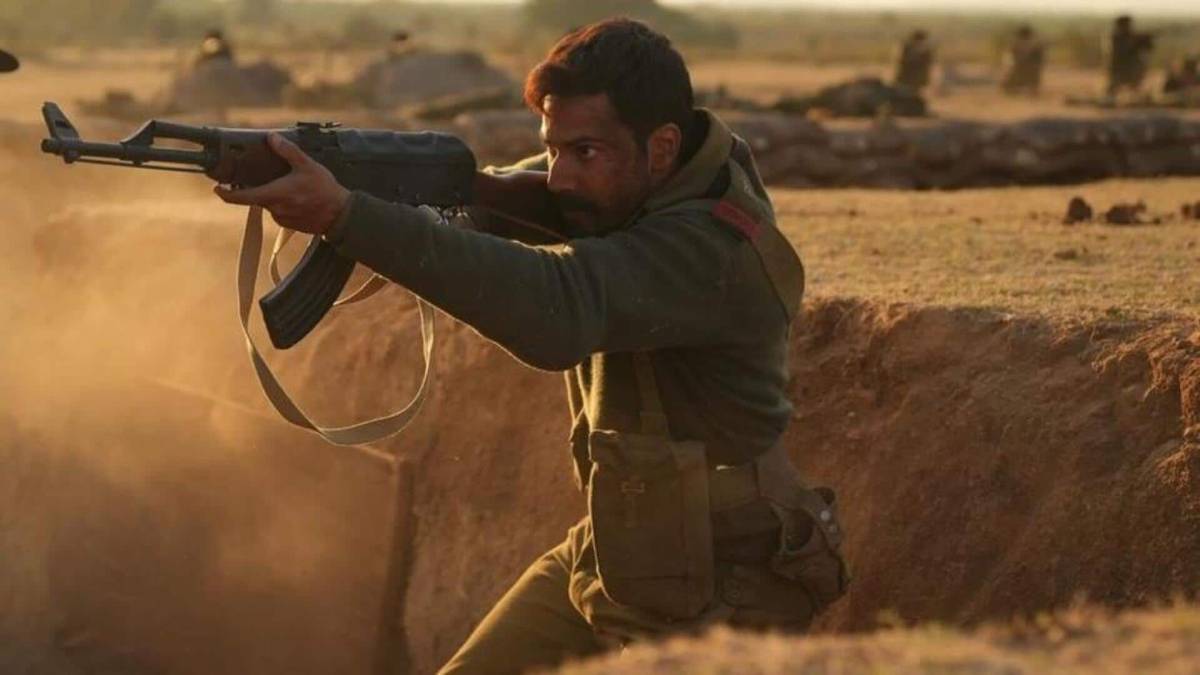
The announcement of Border 2 brings with it a tidal wave of nostalgia and sky-high anticipation. But the film isn't just a sequel; it's an inheritor of a legacy born in a different era. To truly grasp the monumental task it faces, we must look at the journey of the Indian war film itself. Over the last three decades, the genre has transformed from a cinematic canvas for national grief into a high-octane celebration of tactical might. It has consistently reflected the country's changing psyche, and the audience has evolved right alongside it.
Border 2 Box Office Collection
| PARTICULARS |
COLLECTION |
| Day 1 (Hindi Net) |
₹ 30 Cr |
| Day 2 (Hindi Net) |
₹ 36.5 Cr |
| Day 3 (Hindi Net) |
₹ 54.5 Cr |
| Day 4 (Hindi Net) |
₹ 59 Cr |
| Total Hindi Net |
₹ 180 Cr |
| India Gross |
₹ 212.2 Cr |
| Overseas |
₹ 35 Cr |
| Worldwide Total |
₹ 247.2 Cr |
From National Grief to Emotional Spectacle (1964–1997)
The DNA of the Indian war film was written with poignant emotion. Films like Haqeeqat (1964) served as a national catharsis in the aftermath of the 1962 war, focusing on tragedy and heartfelt sacrifice. This emotional core was perfected by J.P. Dutta in Border (1997). By weaving the soldiers' personal lives, their letters, and their relationships into the fabric of the Battle of Longewala, he created a cultural touchstone. Border was an emotional spectacle that made an entire generation weep. The attempt to amplify this formula with the hyper-detailed LOC Kargil (2003), however, proved that a bigger scale and a larger cast could dilute the very emotional connection that made its predecessor iconic, leaving audiences with respect for its ambition but not a deep connection.
Experimentation and Narrative Risk-Taking (2004–2017)
The new millennium ushered in a period of introspection and innovation. Lakshya (2004) was a game-changer, using the Kargil War not just as a conflict but as a crucible for a young man's transformation. It was a coming-of-age story in uniform, which resonated with a new generation. The genre began to break its own rules. 1971 (2007) masterfully crafted a tense thriller about prisoners of war, proving a war film didn't need grand battles to be compelling. Later, The Ghazi Attack (2017) took the conflict underwater, delivering a claustrophobic and unique naval thriller that captivated audiences with its novelty and technical finesse.
The Uri Effect and the Rise of Tactical Patriotism (2019–2023)
No film defines the modern Indian war genre more than Uri: The Surgical Strike (2019). It was a paradigm shift—fast, technically proficient, and pulsating with a confident, assertive patriotism. The emotional melodrama of the past was replaced by the adrenaline of a flawlessly executed mission. This New India narrative perfectly captured the contemporary mood. Its success also solidified the dominance of the war biopic. Kesari (2019) retold a forgotten tale of incredible valour, while Shershaah (2021) and Sam Bahadur (2023) made real-life heroes like Captain Vikram Batra and Field Marshal Sam Manekshaw household names, celebrated for both their courage and their character.
When Success Creates Saturation (2025–2026)
War Films: Box Office Inflection Point
- Pre-2019:Wide variance — most titles stayed below ₹50 Cr, with rare outliers like Border (1997)
- Post-Uri:₹200 Cr+ became a realistic benchmark for successful war films
- Post-2024:Audience tolerance has dropped for repetitive biopics without scale or innovation
The Evolution of Indian War Cinema: A Chronological Overview
| MOVIE (YEAR) |
APPROX. WORLDWIDE GROSS |
| Haqeeqat (1964) |
~ ₹ 1.50 Cr |
| Border (1997) |
₹ 64.98 Cr |
| LOC Kargil (2003) |
₹ 30 Cr |
| Lakshya (2004) |
₹ 40 Cr |
| 1971 (2007) |
₹ 2 Cr |
| The Ghazi Attack (2017) |
₹ 35 Cr |
| Uri: The Surgical Strike (2019) |
₹ 341.75 Cr |
| Kesari (2019) |
₹ 208.80 Cr |
| Shershaah (2021) |
(Direct to OTT) |
| Pippa (2023) |
(Direct to OTT) |
| Sam Bahadur (2023) |
₹ 130 Cr |
| Sky Force (2025) |
₹ 150.01 Cr |
| Ikkis (2026) |
₹ 41.25 Cr |
| Border 2 (2026) |
₹ 247.2 Cr (Still Running) |
However, the genre's peak may also have revealed its limits. While films continued to specialize, with Sky Force (2025) exploring aerial combat, the audience's response began to shift. The underwhelming reception of Ikkis (2026), a biopic about the youngest Param Vir Chakra awardee, was a clear sign. The once-unstoppable biopic formula was no longer a guaranteed success. This suggests a genre fatigue, where viewers, having been treated to numerous high-quality war films, now demand true innovation and powerful storytelling, not just a familiar template.
Why Border 2 Is a High-Risk, High-Reward Sequel
This is the complex and challenging landscape that Border 2 enters. It must honor the emotional legacy of its name while contending with an audience accustomed to the tactical brilliance of Uri. It cannot be a simple rehash. Its success will ride on its ability to forge a new path—to find a narrative that feels both timelessly patriotic and undeniably modern. Its performance at the box office won't just be a verdict on the film, but a powerful indicator of the future of the Indian war genre itself.


 Bollywood