 Kollywood
Naalaiya Theerpu to Jana Nayagan: Decoding the 30-Year Empire of Thalapathy Vijay—Will His Final Film Be the Ultimate Box Office Finale?
BY CHRISTA LINCY
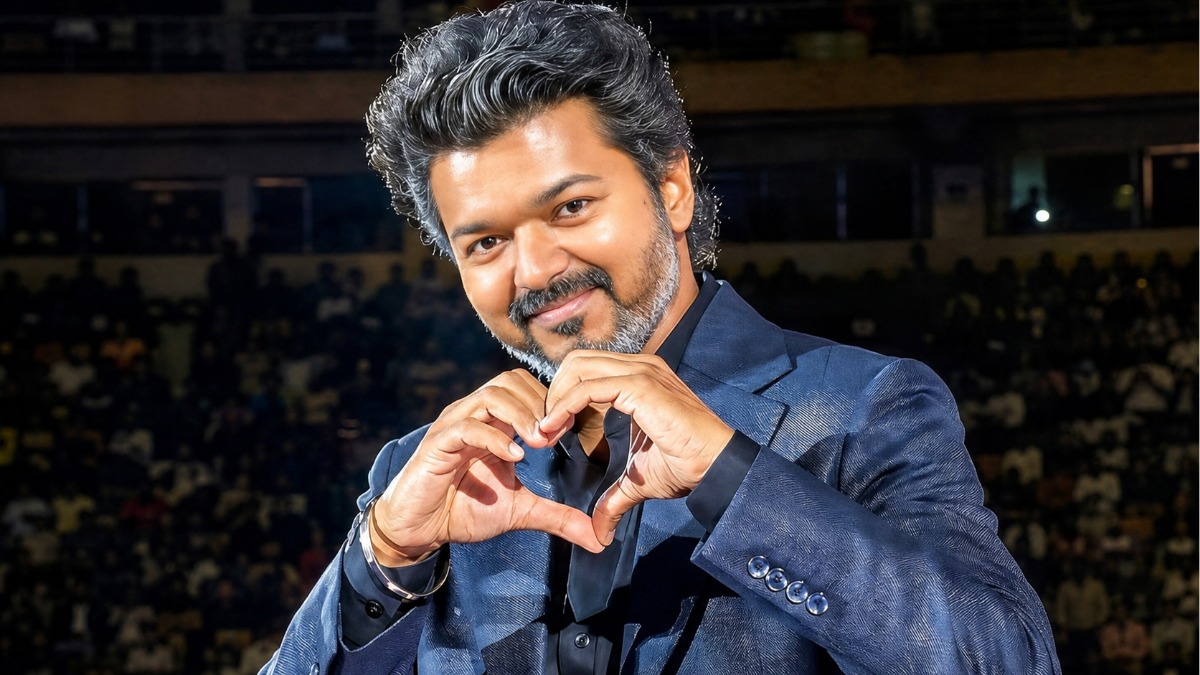
It is rare to see a superstar walk away from the screen while at the absolute peak of his career, but that is the reality facing the industry as Thalapathy Vijay prepares for his 69th and final film, Jana Nayagan. Over the last thirty years, he has transformed from a newcomer who faced immense early criticism into the most vital commercial force in Tamil cinema. His journey wasn't an overnight success; it was a decades-long evolution into a powerhouse whose releases now single-handedly sustain the entire theatrical ecosystem. The early 90s were far from easy for Vijay. Starting with Naalaiya Theerpu in 1992, he faced significant criticism regarding his looks and acting ability. For the first few years, he was primarily seen as a star-son being pushed by his father, director S.A. Chandrasekhar. The turning point came in 1996 with Poove Unakkaga. It was the first time the audience saw him as a vulnerable, romantic lead rather than an action hero. This film ran for over 250 days in theaters and established his massive female fan base, a demographic that remains his biggest strength even today. (adsbygoogle = window.adsbygoogle || []).push({}) For the generation that grew up in the late 90s, the nostalgia isn't just about the mass action; it is about the emotional vulnerability he brought to films like Love Today and Thulladha Manamum Thullum. Before he was the Thalapathy who could destroy armies, he was the Ilaya Thalapathy who made audiences weep with a single look of heartbreak. Whether it was his chemistry with Simran in Priyamanavale or the comedic timing he shared with Suriya in Friends, this era cemented his image as the lovable, relatable youth who felt like a brother or a friend to the audience. By the late 90s and early 2000s, films like Kadhalukku Mariyadhai and Kushi turned him into a romantic icon. However, the Vijay we see today—the mass hero who can single-handedly pull in 100 crore in a single weekend—was born in 2004 with Ghilli. According to trade archives, Ghilli was the first film to set the record for becoming the highest grossing non-Malayalam film in Kerala at the time, shattering records held by veterans. It was a cultural shift; he transitioned from the boy-next-door to the invincible hero of the masses. This era saw hits like Pokkiri, but it also led to a period of stagnation between 2007 and 2010 where repetitive scripts caused a dip in his market value. (adsbygoogle = window.adsbygoogle || []).push({}) You cannot talk about the Vijay legacy without mentioning the music that defined an entire era of Tamil pop culture. From the infectious energy of Appadi Podu in Ghilli to the viral craze of Vaathi Coming in Master, his films have consistently been the heartbeat of every celebration in the state. His evolution as a dancer—effortless, rhythmic, and charismatic—created a unique 'Vijay style' that fans across generations have tried to imitate. It wasn't just about the choreography; it was about the joy he radiated on screen, often making the theater feel like a giant dance floor. The Evolution of the Thalapathy BenchmarkFILM NAMEBOX OFFICE MILESTONEPoove Unakkaga (1996)250-Day Silver JubileeGhilli (2004)Becomes The Highest-Grossing Re-Release FilmThuppakki (2012)First ₹100 Cr Club entryMersal (2017)First ₹250 Cr GrosserLeo (2023)₹600 Cr+ Worldwide Gross (adsbygoogle = window.adsbygoogle || []).push({}) The modern era of Vijay's filmography began with Thuppakki in 2012. This film didn't just bring him back to the top; it modernized his image. Working with AR Murugadoss, Vijay moved away from the loud, rural mass hero to a sophisticated, urban soldier. Thuppakki was his first entry into the 100 crore club, a benchmark he now hits with almost every release regardless of the film's reviews. From 2017 onwards, starting with Mersal, his box office trajectory went vertical. He began competing with the numbers of Bollywood superstars and Rajinikanth, eventually reaching a career peak with Leo, which currently stands as his highest worldwide grosser at over 600 crore. Logically, the decision to leave cinema at this peak is unprecedented. Usually, stars transition when their market value starts to fade, but Vijay is leaving at a point where his films contribute roughly 26 percent of the industry's annual turnover. Films like Master and Varisu proved that even during a pandemic or alongside major festival clashes, his films have a guaranteed floor of 200-300 crore. As we move toward the release of Jana Nayagan, it isn't just about the numbers anymore; it is the final chapter of an actor who spent three decades perfecting the art of the commercial blockbuster. (adsbygoogle = window.adsbygoogle || []).push({}) Beyond the numbers, it is the small mannerisms and catchphrases that have etched themselves into the collective memory of fans. The iconic Im Waiting from Thuppakki, the playful Oru Kutti Kathai sessions in his later films, or even the subtle silence before a massive action set-piece—these moments became a shorthand for his screen presence. Looking back, his career is a highlight reel of these signature beats that turned simple commercial cinema into a shared cultural experience, proving that his connection with the people went far deeper than just ticket sales. The legacy he leaves behind is one of incredible consistency. While actors like Kamal Haasan or Rajinikanth changed the grammar of cinema, Vijay focused on the business of cinema, ensuring that every time his name appeared on a poster, the theaters would stay full. Whether Jana Nayagan manages to topple the records of Leo or Coolie is a question for the trackers, but for the fans, it represents the end of an era where a single name could guarantee the survival of the theatrical market.