 Digital Media
Government of India Brings OTT Platforms and Digital News Outlets Under I&B Ministry
BY SACNILK
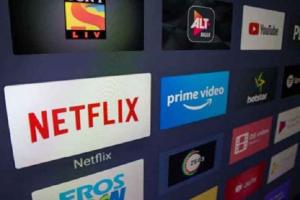
Coming as a significant move, the governement of India has brought the OTT platforms, such as Netflix, Amazon Prime Video, SonyLIV, ZEE5, Disney+Hotstar among many others, along with news websites, under the purview of the Ministry of Information and Broadcasting.## The central government's move to bring the OTT platforms under the I&B ministry could also mean that these platforms would have to apply for certification and approval of the content they wish to stream from the I&B ministry. ## The move is clearly a big setback for the OTT platforms which will now they have to keep a check on the content they made. Filmmaker Hansal Mehta who recently saw immense success with his web series Scam 1992 expressed his disappointment at the government's order. ## Talking to indianexpress.com, the director said, "While this decision wasn't unexpected, it is still a reason for despair. This desperation for control of free speech and expression does not augur well. I am currently very disappointed".## Karan Anshuman, known for directing web series like Inside Edge and Mirzapur, called the move "unacceptable". Taking to Twitter, "Unacceptable. Viewers and creators have to band together and challenge censorship in any and every manner!".## "Whatever happened to the understanding with Mr Javadekar that OTT will be self-regulated? The govt is giving in to the basest demands of prudes. How is this progress in any manner? Don't like it, don't watch it. Don't impose your regressive views on a billion people", he added. ## Whatever happened to the understanding with Mr Javadekar that OTT will be self-regulated? The govt is giving in to the basest demands of prudes. How is this progress in any manner? Don't like it, don't watch it. Don't impose your regressive views on a billion people.— Karan Anshuman (@krnx) November 11, 2020 ## Earlier, the government had asked OTT platforms to come up with a self-regulatory system. But, in September, the government expressed displeasure at the model proposed by the Internet and Mobile Association of India (IAMAI). The model was largely rejected because it did not define the code of ethics and was not clear on the definition of prohibited content. ## Stay tuned...